
Hypoglycaemia: Symptoms, Causes and What to Do When Blood Sugar Drops Too Low?
Updated: Sep 5

Blood sugar levels naturally change throughout the day. However, when glucose levels drop too low, the body and brain may not get the energy they need to function properly. This condition is known as hypoglycaemia, or low blood sugar.
Hypoglycaemia is particularly common among people with diabetes who use insulin or certain glucose-lowering medications. Recognising the warning signs and taking prompt action is important, as severe low blood sugar can become dangerous if left untreated.
What Is Hypoglycaemia?
Hypoglycaemia occurs when blood glucose falls below a healthy level. For many people with diabetes, a blood sugar level below 70 mg/dL is considered low and requires attention.
Glucose is an important source of energy for the body's cells, especially the brain. When blood sugar drops, symptoms can develop quickly and may vary from person to person.
What Are the Early Symptoms of Low Blood Sugar?
How can you recognise hypoglycaemia before it becomes severe?
Common early symptoms may include:
Shaking or trembling
Sweating
Rapid heartbeat
Hunger
Dizziness or light-headedness
Weakness
Headache
Anxiety or nervousness
Irritability
Difficulty concentrating or confusion
Symptoms can develop suddenly. Some people may experience different warning signs during different episodes, so understanding your personal symptoms is important.
What Causes Blood Sugar to Drop Too Low?
Several factors can contribute to hypoglycaemia, particularly in people receiving treatment for diabetes.
Common causes include:
Taking too much insulin or certain diabetes medications
Delaying or skipping a meal
Not eating enough carbohydrates
Exercising more than usual
Alcohol consumption, especially without eating
Changes in daily routine or meal timing
People who experience frequent episodes of low blood sugar should discuss this with their healthcare provider, as their diabetes management plan may need to be reviewed.
How Can Mild Hypoglycaemia Be Treated?
What should you do when you notice symptoms of low blood sugar?
For many people, the 15-15 rule is commonly recommended:
Consume 15 grams of fast-acting carbohydrates.
Wait for 15 minutes.
Check your blood sugar again.
If it remains low, repeat the process as advised.
Fast-acting carbohydrate options may include glucose tablets, glucose gel, fruit juice, or other appropriate sources of sugar. Foods high in fat may not raise blood sugar as quickly.
When Does Low Blood Sugar Become an Emergency?
Severe hypoglycaemia can affect a person's ability to think clearly or treat themselves. Warning signs may include:
Blurred vision
Slurred speech
Severe confusion
Difficulty walking or coordinating movements
Seizures
Drowsiness
Loss of consciousness
A person who is unconscious or unable to swallow safely should not be given food or drink by mouth. Severe hypoglycaemia requires urgent medical attention, and glucagon may be used in appropriate situations.
Can Hypoglycaemia Be Prevented?
Although it may not always be possible to prevent every episode, the risk can often be reduced by following an appropriate diabetes management plan.
Helpful measures include:
Eating regular meals and avoiding skipped meals
Taking medications exactly as prescribed
Monitoring blood sugar as recommended
Planning for exercise and other changes in routine
Carrying a source of fast-acting carbohydrates
Limiting alcohol and avoiding drinking on an empty stomach
Discussing frequent low blood sugar episodes with your doctor
People who repeatedly experience hypoglycaemia may also develop reduced awareness of warning symptoms, making regular monitoring and medical review particularly important.
Take Control of Your Blood Sugar
Low blood sugar should not be ignored, particularly when episodes occur frequently or interfere with daily life. Understanding the symptoms, identifying possible triggers, and knowing how to respond can help prevent serious complications.
If you are experiencing repeated episodes of hypoglycaemia, unexplained dizziness, shaking, sweating, or sudden weakness, it is important to seek medical guidance.
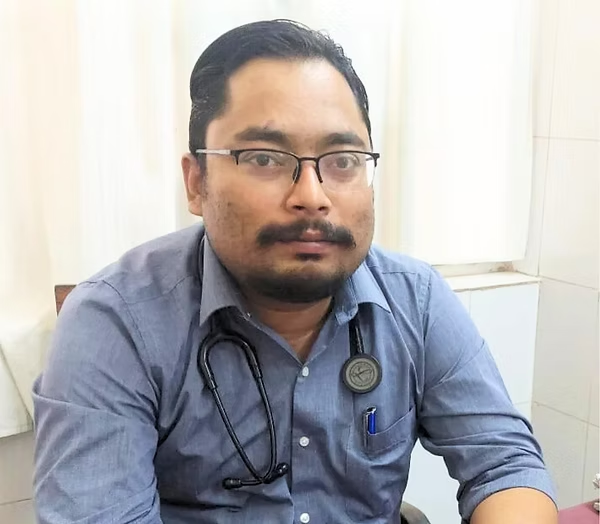
Book an appointment with Dr. Bhaskaracharya Kalita, MBBS, MD (Internal Medicine), at The Gastro Life, Guwahati, for a comprehensive evaluation and personalised guidance on managing diabetes and blood sugar-related concerns.


Comments